• Subhash Chowk,Sonipat, Delhi-NCR
  • info@intinstitute.com
  • +91 935 0579 660
Build Your Cybersecurity Knowledge

Ethical Hacking Course in Sonipat

Learn how ethical hacking helps identify security weaknesses and protect digital systems with the Ethical Hacking Course at INT Institute. This three month course in Sonipat introduces learners to cybersecurity fundamentals, networking, ethical hacking concepts and vulnerability awareness. Start building a foundation for further learning in ethical hacking and information security.
Trusted by 10,000+ Students from 20+ Countries
4.9/5 ★★★★★ From 1,500+ Reviews
Govt. Approved Recognized Course Certification
COURSE OVERVIEW

Explore the Ethical Hacking Course

The Ethical Hacking Course in Sonipat is designed for learners who want to understand how computer systems, networks and applications can be protected against security threats. Ethical hacking involves testing systems with proper permission to identify weaknesses before they can be misused. It combines technical knowledge with responsibility, careful analysis and respect for privacy.

During this 3-month course, learners can build an introductory understanding of cybersecurity, networking concepts, operating systems, common vulnerabilities and security practices. These foundations can help students understand how security professionals assess digital environments and recommend improvements.

Cybersecurity Fundamentals

Understand digital threats, information security and the role of ethical hacking.

Networking Basics

Explore IP addresses, ports, protocols and how computer networks communicate.

Ethical Hacking Concepts

Learn about reconnaissance, vulnerability identification and responsible security testing.

Security Awareness

Understand why permissions, privacy and secure practices matter when assessing systems.

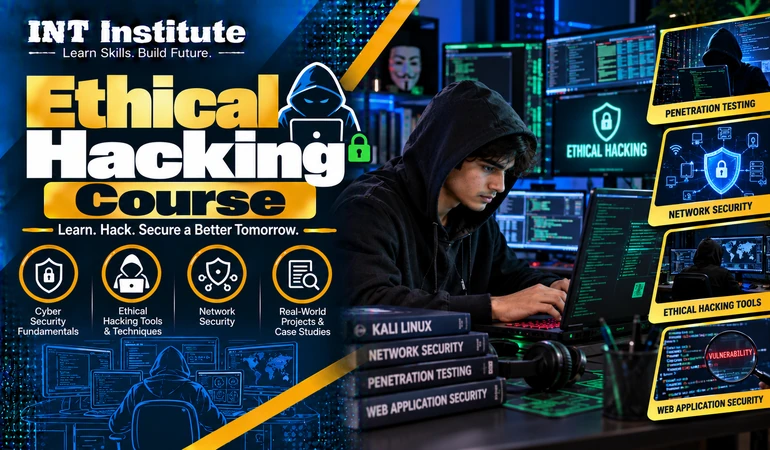
ethical_hacking_course_1080x1350
WHO SHOULD JOIN?

Who Can Join the Ethical Hacking Course?

The ethical hacking course for beginners can be a starting point for people curious about cybersecurity and digital protection. You do not need to assume that you already have professional security experience to explore the subject. A willingness to learn technical concepts, practise problem-solving and follow ethical guidelines is important.

School Students

Students interested in computers and online security who want to explore a technical subject.

College Students

Learners looking to build introductory cybersecurity knowledge alongside their studies.

IT Beginners

People starting their journey into computer systems, networks and information security.

Computer Course Learners

Students who want to expand their computer knowledge with security-related concepts.

Networking Enthusiasts

Learners interested in how networks communicate and where security weaknesses can occur.

Aspiring Ethical Hackers

People exploring ethical hacking as a possible future area of specialisation.

Job Seekers

Candidates who want to strengthen their foundational knowledge before pursuing further training.

Working Professionals

Individuals interested in understanding common cybersecurity risks and protection principles.

Curious Digital Learners

People who want to understand online threats and the importance of responsible security practices.

WHAT YOU WILL LEARN

Ethical Hacking Course Curriculum

The curriculum below provides a suggested learning progression for a three month ethical hacking course. Topics should be confirmed against INT Institute’s final approved syllabus before publication or admission. Security testing should only be practised on systems owned by the learner or where explicit permission has been granted.
01

Introduction to Cybersecurity

Understand information security, digital threats and why organisations need to protect their systems and data.

02

Ethical Hacking Fundamentals

Learn the difference between authorised security testing and unauthorised access, including professional responsibilities.

03

Networking Fundamentals

Explore IP addressing, ports, protocols, DNS and basic network communication to understand how systems connect.

04

Operating System Basics

Build awareness of operating system functions, user accounts, permissions and system security settings.

05

Linux Fundamentals

Become familiar with basic Linux concepts and command-line operations relevant to security learning.

06

Footprinting and Reconnaissance

Understand how publicly available information can be gathered responsibly during an authorised security assessment.

07

Network Scanning Concepts

Learn the purpose of identifying active devices, open ports and network services in a permitted environment

08

Enumeration Basics

Explore how security assessors collect further information about available systems and services.

09

Vulnerability Assessment

Understand how weaknesses are identified, documented and prioritised for review.

10

Web Application Security

Explore common web security risks, including introductory concepts related to injection and cross-site scripting.

11

Security Controls and Protection

Study basic protective measures such as strong authentication, updates, access controls and secure configurations.

12

Reporting and Responsible Practice

Learn why findings should be documented clearly, risks explained accurately and recommendations shared responsibly.

What You Get

Build a Strong Foundation in Ethical Hacking

An introduction to ethical hacking can help you understand cybersecurity beyond everyday computer use. It connects networking knowledge, system awareness, risk identification and responsible digital behaviour. The value of a course depends on the syllabus, teaching method and practice opportunities offered, so ask INT Institute for the current course plan before admission.

Start with the Fundamentals

Develop a structured understanding of cybersecurity concepts and the purpose of authorised security testing. Use these foundations to identify which advanced topics you may want to study next.

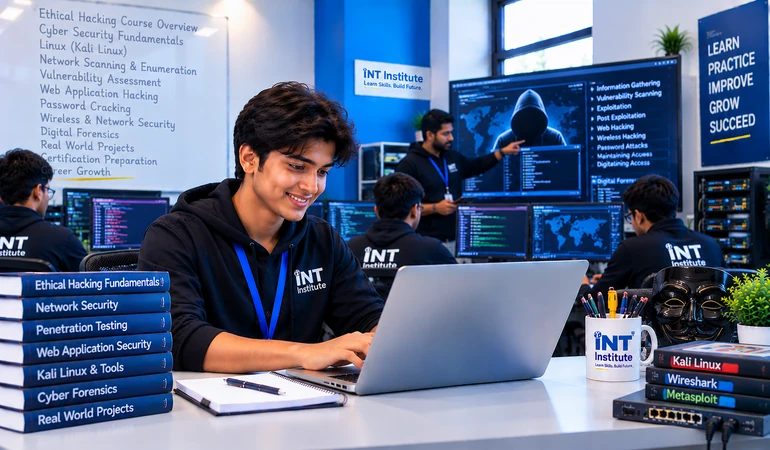
int_ethical_hacking_770x450

Analytical Thinking

Practise approaching technical problems logically and considering possible security implications.

Cybersecurity Awareness

Understand common digital threats and the importance of protecting information.

Networking Knowledge

Learn foundational concepts behind network communication and connectivity.

Operating System Awareness

Explore system functions, permissions and basic security settings.

Ethical Testing Principles

Understand consent, authorisation, privacy and responsible handling of security findings.

Vulnerability Awareness

Learn what security weaknesses are and why they should be assessed systematically.

Web Security Fundamentals

Explore introductory concepts about web application risks and protection.

Career Path

Explore Future Opportunities in Cybersecurity"

Completing an introductory ethical hacking course in Sonipat can help you understand the skills involved in cybersecurity, but employment depends on your practical ability, experience, qualifications and the requirements of each employer. This three month course should be viewed as a foundation rather than a guarantee of professional readiness.

Cybersecurity Learner

Continue studying security principles and defensive practices.

Ethical Hacking Trainee

Pursue further structured learning in authorised security testing.

Security Support Assistant

Explore support-oriented work after developing relevant technical skills.

Network Support Trainee

Build on networking fundamentals through additional study and practice.

Vulnerability Assessment Trainee

Learn more about identifying, documenting and prioritising security weaknesses.

Information Security Assistant

Explore introductory information security responsibilities with suitable preparation.

IT Support Professional

Develop broader technical support skills that include system and security awareness.

Web Security Learner

Study web application vulnerabilities and secure development principles in greater depth.

Cybersecurity Specialist — Long-Term Goal

Work toward a specialist role through continued learning, supervised practice and relevant experience.

COURSE HIGHLIGHTS

Ethical Hacking Course Details

Start exploring cybersecurity with a structured introduction to ethical hacking at INT Institute in Sonipat. This course is planned for 3 months and is intended for learners interested in understanding digital security concepts. Contact the institute to confirm the current syllabus, class schedule, fees, admission requirements and practical learning arrangements before joining.

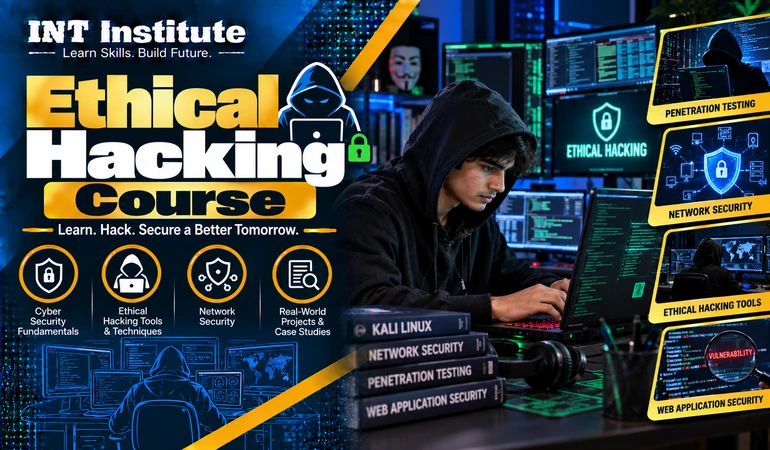
int_ethical_hacking_course_770x450-1

New Batch Starting Soon

Limited Seats

Explore the fundamentals of ethical hacking and cybersecurity

Understand networking concepts and digital communication

Learn about operating systems and basic Linux concepts

Discover responsible information-gathering techniques

Understand network scanning and enumeration concepts

Explore vulnerability assessment and web security basics

Study ethical boundaries and authorised testing practices

Student Word

Student Experiences at INT Institute

Choosing a course is an important step. Before enrolling, learners should understand the course content, duration and learning expectations. Student feedback can also help prospective learners understand their experience of the teaching process. The cards below are reserved for genuine student feedback. Replace the placeholders with approved testimonials only after collecting and verifying the students’ statements.

Rahul

Student

5.0

"The ethical hacking course helped me understand cybersecurity basics and common security threats. I learned how to identify vulnerabilities and why protecting computer systems is important."

Shreya Gupta

Student

5.0

"I joined this course because I wanted to learn about cybersecurity. The training helped me understand ethical hacking concepts and how security testing can help protect systems."

Vikram Dahiya

Student

5.0

"The course gave me a better understanding of network security and vulnerability testing. I enjoyed learning about cybersecurity and gained useful knowledge for my future career."

Have Questions?

Frequently Asked Questions

Find answers to the most common questions about our course.

An ethical hacking course introduces learners to authorised security testing, cybersecurity fundamentals and methods used to identify weaknesses in computer systems and applications. The aim is to understand security risks and how they can be addressed responsibly.

The course duration provided for this page is 3 months. Contact INT Institute to confirm the current batch schedule and class timings.

You can enquire with INT Institute in Sonipat about the Ethical Hacking Course, available batches, admission process and current syllabus.

The course page is positioned for learners starting to explore cybersecurity. Beginners should confirm the entry requirements and expected computer knowledge with the institute before enrolling.

Common introductory topics include cybersecurity fundamentals, networking, operating systems, reconnaissance, scanning concepts, vulnerability assessment, web security and ethical practices. Ask INT Institute for its final approved syllabus to confirm the actual topics taught.

Ethical hacking must be authorised by the system owner or another legally authorised party and performed within the agreed scope. Accessing or testing systems without permission can violate laws and privacy rights.

It can help you explore foundational concepts and decide what to study next. Career opportunities depend on additional skills, practical experience, qualifications and employer requirements; completing a short course does not guarantee employment.

Certificate availability and eligibility have not been confirmed for this page. Please ask INT Institute directly about its current certification policy before admission.
START YOUR JOURNEY

Begin Your Ethical Hacking Learning Journey

Interested in learning about cybersecurity and ethical hacking? Enquire about the 3-month Ethical Hacking Course in Sonipat at INT Institute. Get information about the syllabus, available batches, course fees and admission requirements before making your decision. Take the first step toward understanding digital security and planning your next stage of technical learning.

Need help?

Our team is ready to assist you.