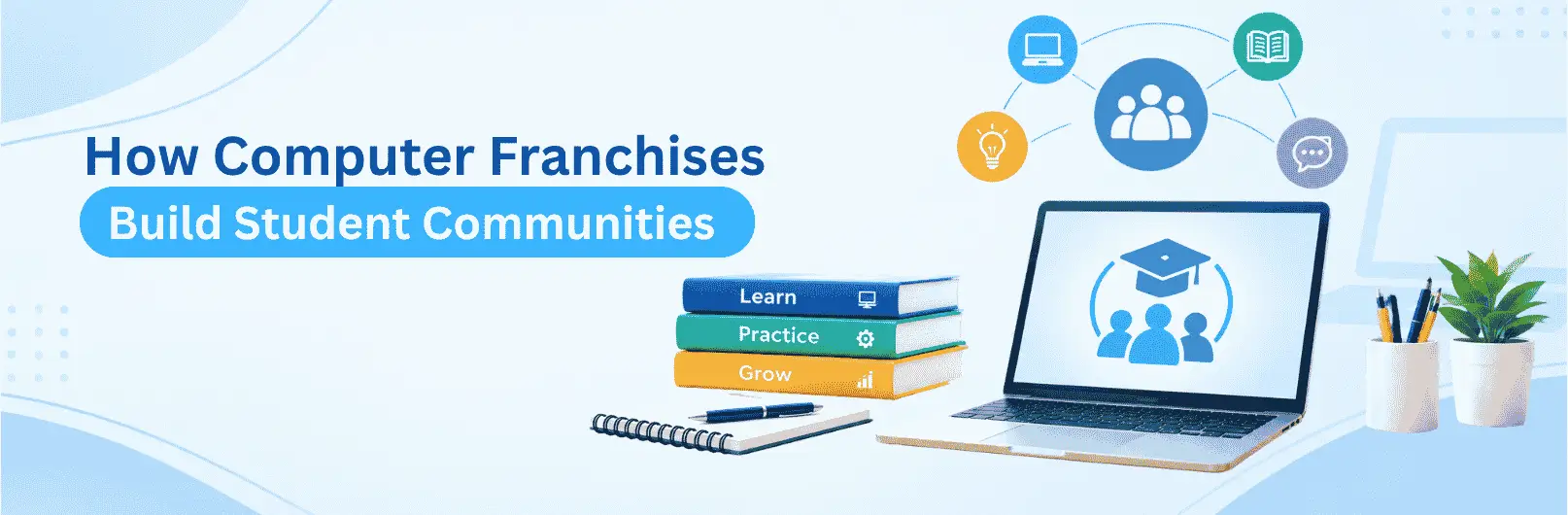
Community also builds trust. For example, when learners feel part of a group, they join more classes and events. Computer franchises gain from this too.
Student Engagement in Computer Institutes
Student Engagement in Computer Institutes grows when learners can do more than attend lessons. So, institutes can run coding contests, quizzes, design contests, workshops, and tech talks.
Group projects help too. Students can use class ideas to build a website, an app, a slide deck, or a marketing plan. In addition, teachers can set up peer-learning sessions. When students explain ideas to friends, they practice teamwork and speaking at once.
Student Activities in Computer Institutes
Regular Student Activities in Computer Institutes make learning fun and practical. For instance, institutes can host project shows, hackathons, career talks, tech workshops, and problem-solving games.
Meanwhile, contests add a friendly challenge. Project showcases let students show their skills. Likewise, certificates and awards celebrate wins. As a result, students want to keep taking part.
Building a Student Community Through Technology
Technology makes it easy for building a student community. Institutes can use learning apps, chat groups, online forums, and shared files.
Through these tools, students can talk about tasks, share notes, and team up on projects. Similarly, trainers can post news, practice tasks, and useful links.
But online resources must complement the classroom and not substitute for it. In summary, face-to-face and online events appear to be the best combination.
How a Computer Center Franchise Can Build Community
A Computer Center Franchise can make community building part of its yearly plan. For example, it can post a monthly calendar of workshops, contests, group projects, and career events.
They can also encourage students to participate in technology clubs. These clubs can cover coding, graphic design, digital marketing, artificial intelligence, and more.
Furthermore, centers can invite alumni and industry experts to talk with students. Because of this, students get a clear view of tech careers.
Creating Career-Focused Student Networks
Many students want computer education that leads to real jobs. Therefore, institutes can hold talks on internships, freelancing, jobs, and starting a business.
Alumni can share their stories with new students. Likewise, senior learners can guide beginners through projects and tough tasks.
Computer Education Franchises might put on workshops on emerging technologies. Topics could include cybersecurity, artificial intelligence, data analytics, cloud computing, and digital software. These events can be a way of giving students perspective on how the skills they are learning in class translate to their careers.
Measuring Student Community Participation
Computer franchises should check participation often. They can track workshop turnout, project results, contest entries, and student feedback.
Moreover, short surveys show which events students like best. Consequently, centers can plan better events based on real interest.
Most of all, keep every event open to all levels. That way, beginners and advanced learners can join together.
The Future of Computer Institute Student Communities
Beyond the classroom. Hands-on projects, building together with fellow students, working remotely through online teamwork, and taking career workshops all help to make the student experience even more inspiring.
In conclusion, a well-run Computer Institute Student Community links students to learning, teamwork, networking, and career chances. Therefore, computer franchises should make community building a key part of their plan.
FAQ
1. What is a Computer Institute Student Community?
It is a group of learners linked through classes, projects, activities, workshops, contests, and peer learning.
2. How can computer institutes improve student engagement?
Institutes can offer hands-on projects, tech workshops, contests, clubs, quizzes, and career events.
3. Which activities can computer institutes organize for students?
Some popular choices are coding competitions, hackathons, project exhibitions, tech workshops, quizzes and career talks.
4. How can a computer franchise build a student community?
A franchise could host events on a regular basis, establish student clubs, encourage peer-to-peer learning, and introduce students to alumni and industry leaders.
5. Why are student communities useful for computer education?
They help students work together, learn by doing, speak with confidence, build contacts, and join more events.